






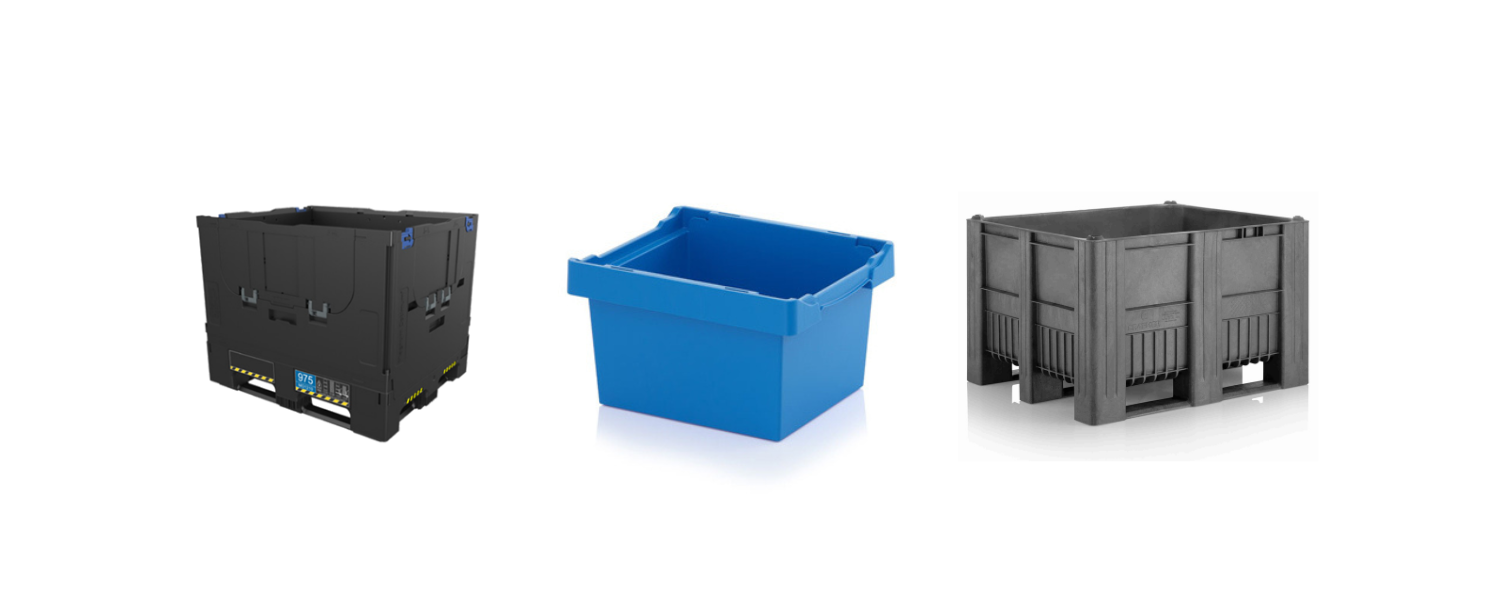
When it comes to managing logistics, storage, and transportation within your supply chain, the choice of boxes plays a crucial role. At Plastic Pallets UK, we understand that selecting the right plastic box is about more than simply finding a container — it’s about optimising your operational efficiency, reducing costs, and improving sustainability. Today, we’ll explore three of the most common types of plastic boxes used in warehousing and distribution: collapsible, nestable, and rigid boxes. Which is the best option for your business? Let’s delve into the key differences and practical considerations to help you make an informed decision.

Understanding Your Options
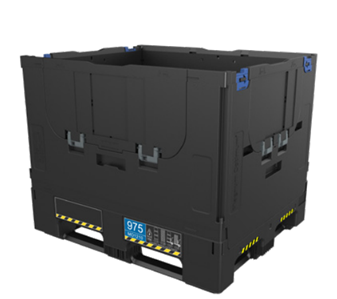
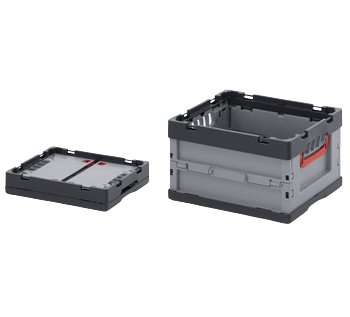
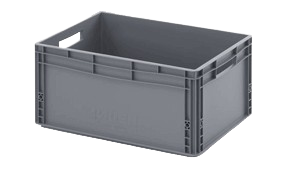
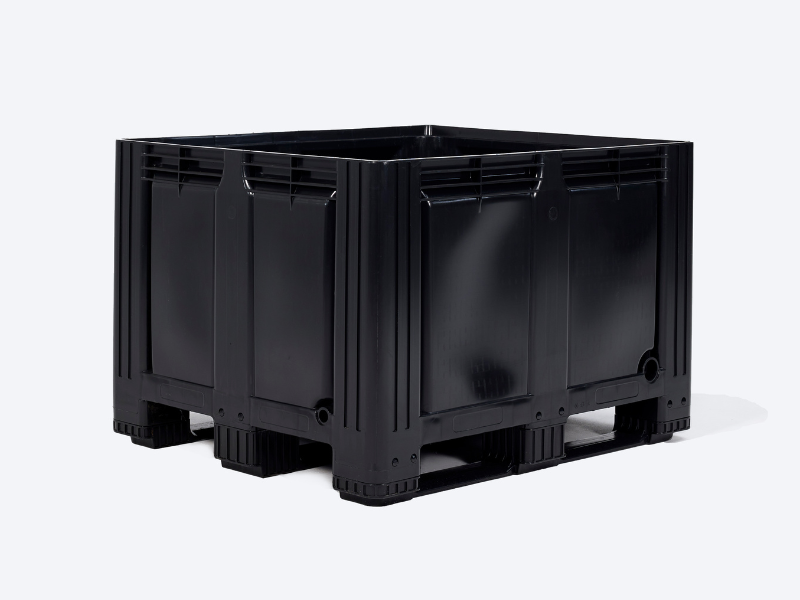
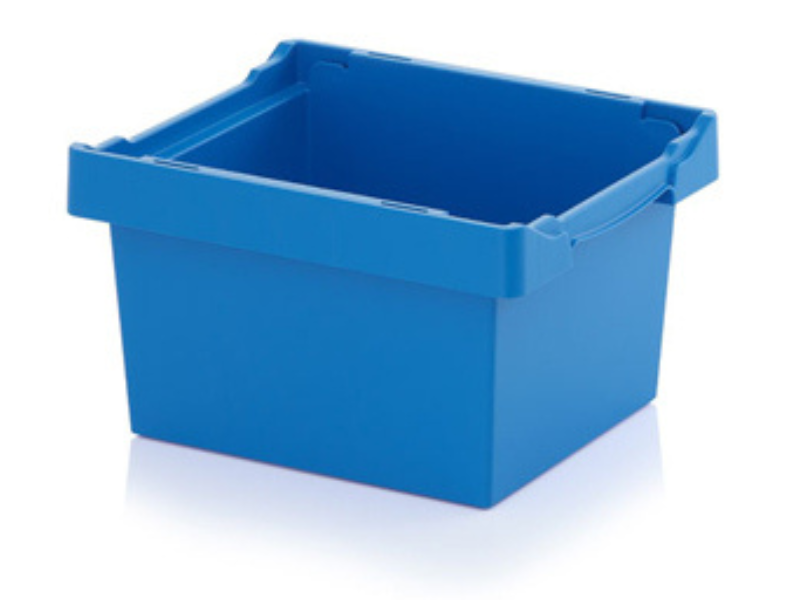
Collapsible boxes are designed to fold down flat when not in use, enabling significant space savings during return journeys or storage. Nestable boxes, on the other hand, are structured so that empty boxes fit inside each other without folding, reducing the volume they occupy. Finally, rigid boxes are solid and fixed in shape, offering maximum strength and durability but taking up the same amount of space whether empty or filled.
Each box type has unique strengths that will appeal to different industries and supply chain requirements — the challenge lies in matching the box type to your specific criteria, including load weight, hygiene needs, return logistics, and conveyor compatibility.
Load Capacity and Durability
If you’re handling heavy or dense loads, rigid boxes tend to be the most reliable choice. Their solid walls and structures provide excellent strength and resistance to impact, making them ideal for industries like manufacturing, automotive parts, or bulky retail items. Collapsible boxes are usually robust but may not withstand extremely heavy or abrasive goods as well as rigid types because of their folding mechanisms. Nestable boxes offer moderate strength, suitable for lighter to medium loads.
For businesses whose products require secure protection through the supply chain, rigid boxes offer peace of mind. However, if your load is lighter or you prioritise space-saving on return trips, collapsible or nestable boxes might offer a better balance.
Hygiene Considerations
Cleanliness is paramount in food, pharmaceuticals, and healthcare logistics. Plastic boxes are preferred over traditional cardboard because they are easy to clean and resistant to moisture and contaminants. When it comes to hygiene, collapsible and rigid boxes typically provide the best performance because their materials and solid walls allow thorough washing and sterilisation.
Nestable boxes, with their designed gaps to allow nesting, can sometimes trap debris if not cleaned properly, making them less ideal for hygienic environments. If your operation demands strict hygiene standards, especially in repeated usage scenarios, collapsible or rigid boxes should be your first considerations.
Return Logistics and Space Efficiency
One of the key drivers for choosing between these box types comes down to return logistics — how efficiently you can move empty containers back after delivery. Collapsible boxes are champions in this department; they fold down flat to approximately a quarter of their full volume, maximising transport capacity and reducing costs on return trips.
Nestable boxes also significantly reduce return freight volume, albeit to a lesser extent than collapsible boxes due to their inability to fold. They are a great option if your operation requires quick set-up as there’s no need to unfold or assemble before use.
Rigid boxes generally consume the most return space, which can impact your overall logistics cost but offer benefits in terms of durability and load security. If your return routes are minimal or your storage space is ample, rigid boxes remain a viable option.
Conveyor Use and Handling
In automated warehouse environments, compatibility with conveyor systems and other handling equipment is a valuable consideration. Rigid boxes, with their consistent dimensions and solid structure, often perform best on conveyor belts and automated sorters, enabling smoother operations with less risk of box damage.
Collapsible boxes can sometimes pose challenges due to partial folding or slight structural flex when loaded lightly, which may interfere with automated handling. Nestable boxes generally handle well but may require more careful stacking to avoid jams.
If your warehouse relies heavily on automation, it might be worth prioritising rigid or nestable boxes to ensure seamless integration with your existing systems.
Making the Right Choice for Your Business
Choosing between collapsible, nestable, and rigid boxes ultimately depends on balancing your operational priorities: load size and weight, hygiene requirements, return logistics, and warehouse automation.
If your priority is maximising space efficiency during return trips and minimising transport costs, collapsible boxes offer unmatched versatility. For businesses handling lighter goods and seeking a balance between durability and return volume reduction, nestable boxes are an excellent middle ground. When strength, durability, hygiene, and conveyor compatibility are paramount, and space constraints are less pressing, rigid boxes offer superior performance.
At Plastic Pallets UK, we’re proud to offer a comprehensive range of plastic boxes tailored to your needs, designed with UK businesses in mind. To discuss which type of box best suits your operation or to get a quote, get in touch with our team. Learn more about our range and how the right plastic storage and transport solutions can transform your warehouse management — visit our website or call today.
Opt for smart, sustainable, and space-savvy plastic boxes to future-proof your supply chain. We’re here to help you every step of the way.
