







Extended Producer Responsibility (EPR) is changing how UK businesses manage packaging waste. But what does it mean for companies using plastic pallets, pallet boxes and other plastic packaging products? With new responsibilities for packaging waste and recycling, businesses need to understand how EPR affects the materials they use and the way they manage their supply chains.
At Plastic Pallets UK, we help businesses find practical, durable and reusable packaging solutions. In this guide, we explain what EPR is, who it affects and how choosing the right plastic pallets can help your business reduce waste and improve efficiency.
What Is Extended Producer Responsibility (EPR)?
Extended Producer Responsibility (EPR) is a UK packaging scheme that makes businesses more responsible for the packaging they place on the market and the waste it creates.
Previously, local authorities covered much of the cost of collecting and disposing of household packaging waste. EPR shifts these costs towards the businesses responsible for supplying that packaging. The scheme aims to encourage businesses to reduce unnecessary packaging, improve recyclability and reuse packaging wherever possible.
For companies using plastic pallets and other packaging products, EPR highlights the importance of considering how materials are used, how long they last and what happens to them when they are no longer needed.
Who Does EPR Affect?
EPR can apply to UK businesses that manufacture, supply, import or use packaging to transport and sell goods. However, not every business has the same responsibilities.
Under current regulations, businesses may need to comply with EPR if they have an annual turnover of £1 million or more and supplied or imported more than 25 tonnes of packaging in the previous calendar year.
Businesses are divided into two main categories:
- Small producers: Businesses meeting the lower EPR thresholds must register and report their packaging data annually.
- Large producers: Businesses with an annual turnover of more than £2 million and responsibility for more than 50 tonnes of packaging have additional obligations, including more frequent reporting, recycling obligations and applicable waste disposal fees.
Your responsibilities depend on your business activities, the amount of packaging you handle and how that packaging is classified. You can check whether your business needs to comply using the UK Government’s official EPR guidance.
Are Plastic Pallets Included in EPR?
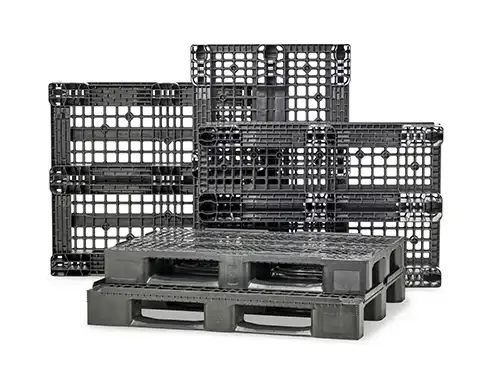
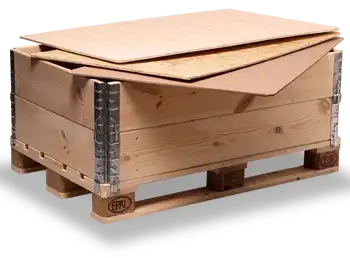
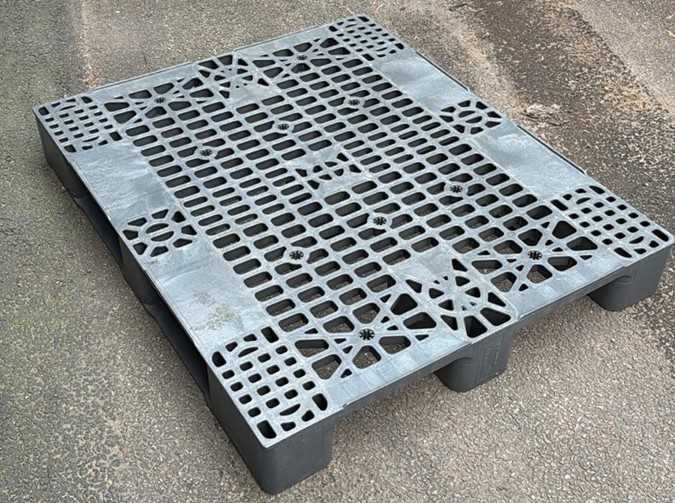
Yes. Plastic pallets used to transport and handle goods are considered packaging under EPR regulations. They are generally classed as transit packaging because they allow products to be grouped, stored and transported safely throughout the supply chain.
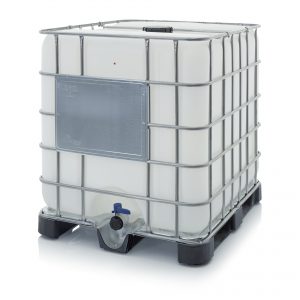
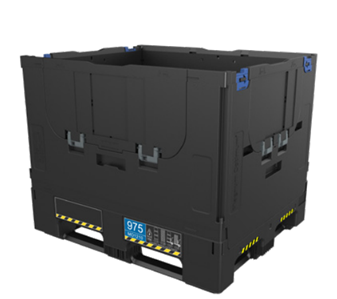
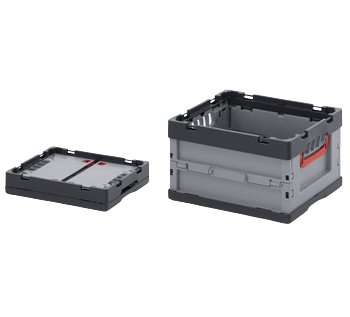
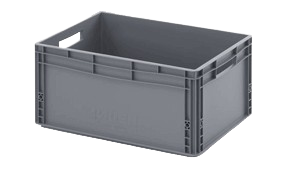
Other products, including plastic pallet boxes, reusable containers and associated packaging, can also fall within the scope of EPR. However, this does not mean every business purchasing plastic pallets automatically has to pay EPR waste disposal fees. The rules depend on who is responsible for the packaging, how it is supplied and whether it is classified as household or non-household packaging.
Do Businesses Have to Pay EPR Fees on Plastic Pallets?
One of the most important distinctions within EPR is the difference between household and non-household packaging. Household packaging is generally packaging that is likely to become household waste, such as the plastic packaging around products purchased by consumers.
Non-household packaging includes packaging used within commercial and industrial supply chains. For example, plastic pallets used to transport goods between factories, warehouses and distribution centres are generally classed as non-household packaging. EPR waste disposal fees do not automatically apply to every plastic pallet a business purchases or uses.
For the 2025–2026 EPR year, the Government’s base waste disposal fee for plastic was £423 per tonne. However, this was not a blanket charge on all plastic packaging. Fees apply to liable producers and relevant household packaging, with rates subject to change between assessment years. Non-household plastic packaging may still need to be included in EPR reporting, so businesses should check their responsibilities rather than assuming all plastic pallets are exempt.
How Can Reusable Plastic Pallets Help Your Business?
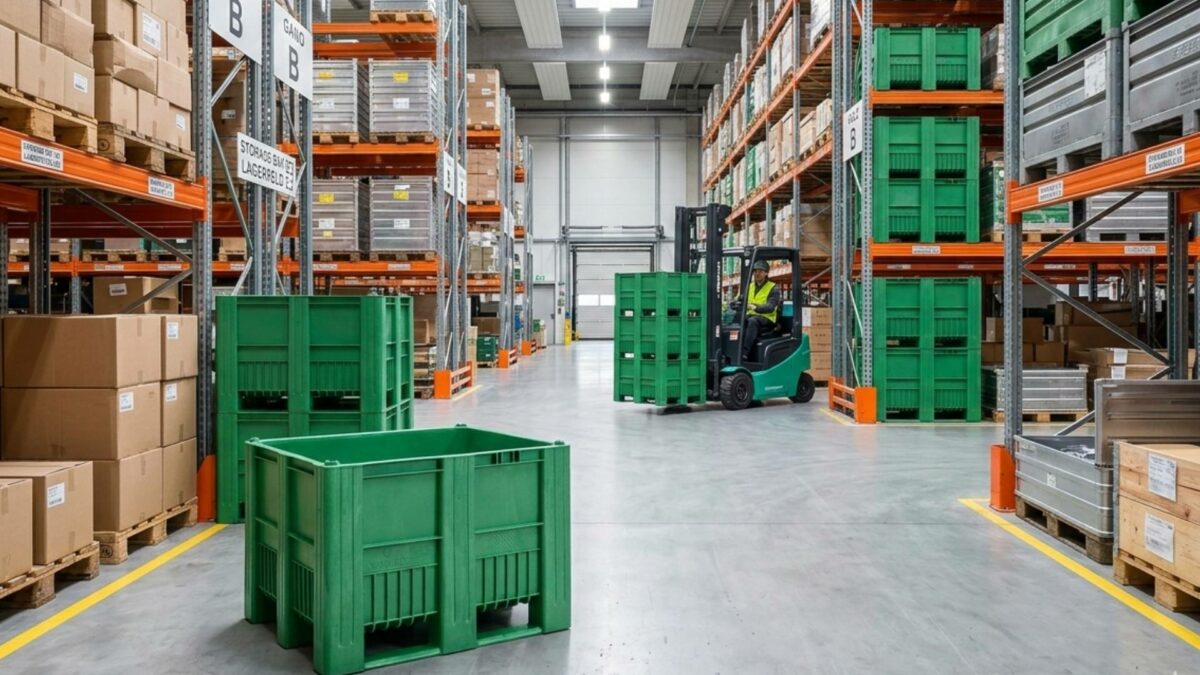
One of the simplest ways to reduce packaging waste is to use products that can be recovered and reused. Unlike single-use packaging, durable plastic pallets can be designed to complete numerous journeys through a supply chain before they need replacing. Depending on their design and application, plastic pallets can also resist moisture, maintain consistent dimensions, clean easily, and suit hygienic environments.
At Plastic Pallets UK, we supply a wide range of reusable plastic pallets, including nestable, rackable, hygienic, and heavy-duty designs. Many of our products are made from 100% recycled plastic, giving businesses a practical way to incorporate recycled materials into their packaging operations. Where suitable, plastic pallets can also be recycled at the end of their working life, keeping valuable materials in circulation longer.
What Should Businesses Do About EPR?
If your business uses plastic pallets or other packaging products, you can take several practical steps to prepare for EPR and improve your packaging operations.
Check your EPR responsibilities
Review your annual turnover, packaging quantities and business activities to establish whether you need to register and report packaging data.
Keep accurate packaging records
Record the materials, quantities and weights of your plastic pallets and packaging products, including how they are supplied and used.
Consider reusable packaging
Review whether reusable plastic pallets, pallet boxes and containers could reduce your reliance on disposable packaging.
Explore recycled materials and recycling options
Consider whether pallets made from recycled plastic suit your application, and investigate appropriate recycling options for products at the end of their working life.
Supporting a More Sustainable Supply Chain
At Plastic Pallets UK, we understand that businesses need packaging solutions that combine reliability, durability and efficiency. Our extensive range includes lightweight nestable pallets, heavy-duty rackable pallets, hygienic plastic pallets, pallet boxes and reusable materials handling products.
Whether you are reviewing your packaging requirements because of EPR or looking to reduce unnecessary waste, the right products can help you use materials more efficiently and improve your supply chain.
Speak to Plastic Pallets UK Today
If you are looking to reduce packaging waste, explore recycled plastic pallets or introduce reusable packaging into your operations, our experienced team is here to help.
Contact Plastic Pallets UK today to discuss your requirements and learn how our plastic pallets and packaging solutions can support a more efficient, sustainable supply chain.
Please note: This article provides general information about EPR and should not be considered legal or regulatory advice. For guidance on your business’s specific obligations, refer to the latest UK Government regulations or speak to your packaging compliance provider.
