

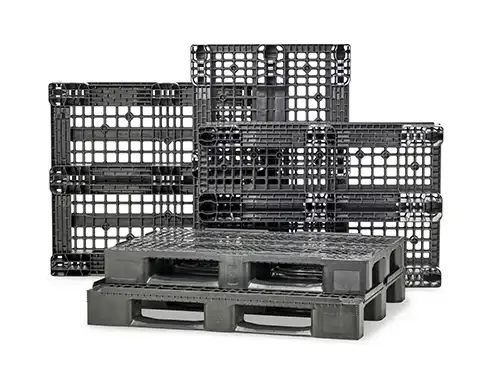


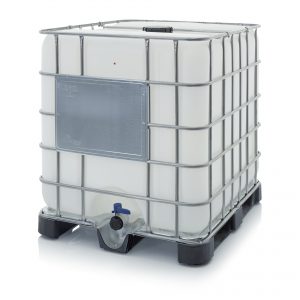
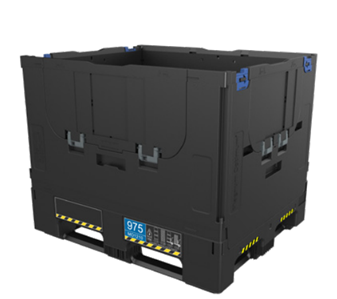
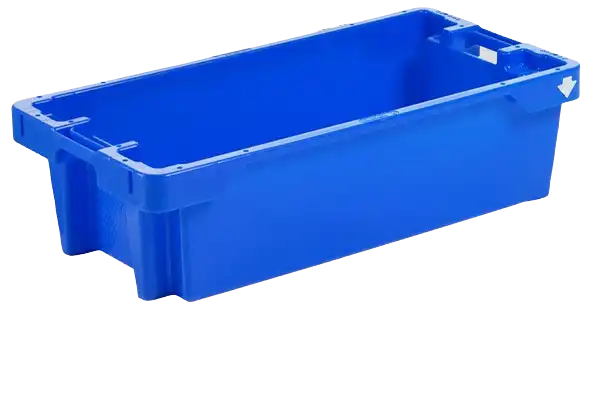
When it comes to finding a reliable and efficient solution for storage and transportation, plastic pallet boxes are often an excellent choice. In industries ranging from agriculture to automotive to retail, these versatile containers offer functionality and durability that cardboard simply can’t match. This guide will walk you through the essentials of plastic pallet boxes, including their sizes, uses, and how to select the perfect one for your needs.
Understanding the Sizes
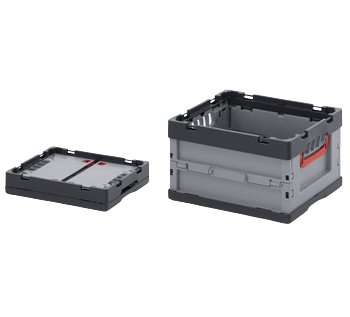
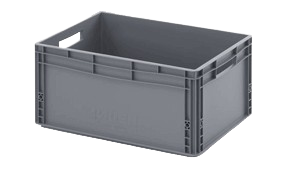
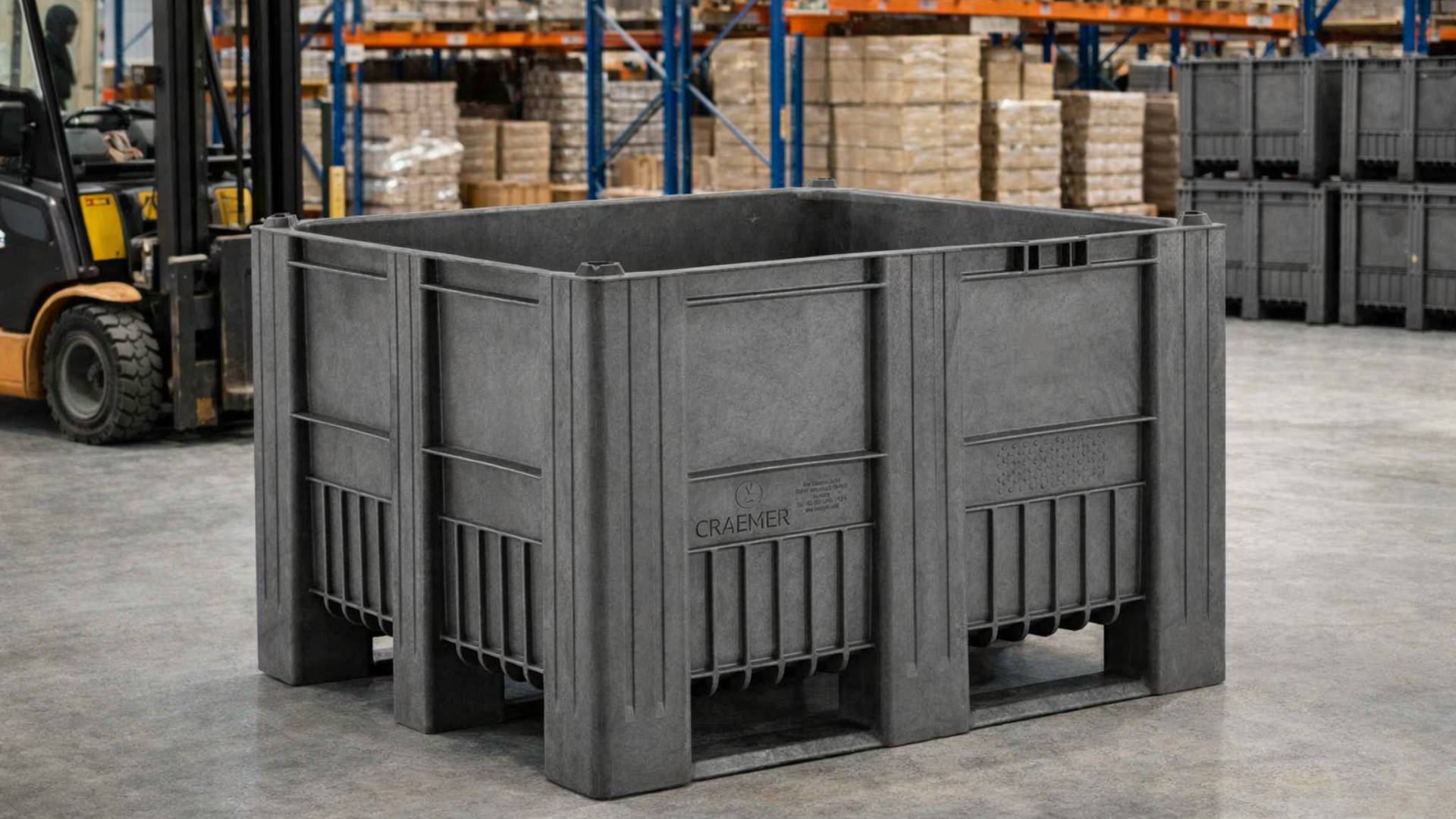
Plastic pallet boxes come in various dimensions, catering to different industry requirements. The standard size aligns with Euro pallet dimensions (1200 x 800mm), ensuring they fit well in logistics operations, maximising space in storage and transport. However, sizes can range widely; some common dimensions include:
– 1200 x 1000mm: Ideal for bulkier items, providing more space and often used in the export and import industry.
-800 x 600mm: Smaller and more manageable, perfect for retail environments where space might be limited.
Always consider the internal volume and load capacity. These metrics are critical as they determine how much you can store and transport safely without risk to the goods or the containers.
Uses of Plastic Pallet Boxes
The usage of plastic pallet boxes spans across various sectors:
- Agriculture: Harvesting and storing produce such as fruits and vegetables. Their ventilated design helps keep perishables fresh during transport.
- Automotive: Organising parts and bulky components. Their robust design ensures that items are protected during transit.
- Retail: Transport and display of goods. Easy to move with a forklift and stackable for displaying products directly.
- Recycling: Collecting and sorting recyclable materials. Plastic pallet boxes are durable and washable, making them ideal for these purposes.
- General Storage: From stationery to heavier industrial tools, these boxes can handle almost everything.
Choosing the Right Plastic Pallet Box
Selecting the appropriate plastic pallet box depends on several factors:
– Material: Most plastic pallet boxes are made from high-density polyethylene (HDPE) due to its impact resistance and durability. Check the material for UV stability if the boxes will be used outdoors.
– Design: Decide between closed or ventilated walls. Closed walls provide more protection against dust and moisture, while ventilated ones offer better airflow, crucial for perishable goods.
– Stackability: If you’re limited on space, assess the stacking capability of the boxes. Good stackable design can significantly increase storage efficiency.
– Load Capacity: Ensure the box can handle the weight of the items you plan to transport or store. Overloading can cause the box to break or deform.
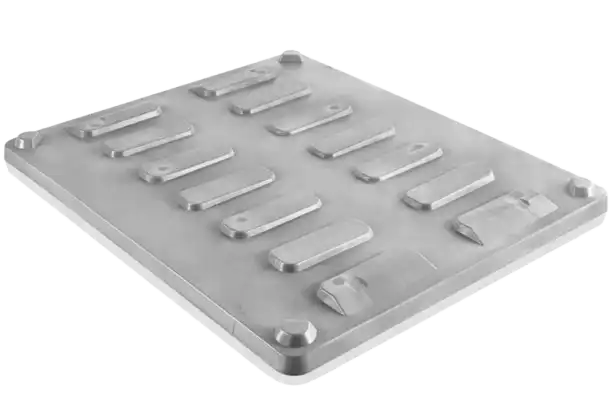
– Lid Options: Some plastic pallet boxes come with lids while others do not; consider whether you need a cover for additional protection against dust, moisture or to secure the contents during transport.
To get a better understanding of which plastic pallet box suits your specific needs, feel free to get a quote or discuss options with our team. We can help guide you through our extensive range to find the perfect match for your requirements.
Conclusion
Whether you need to transport goods securely or organise your stock room, plastic pallet boxes provide a robust, efficient, and reusable option. Their range in sizes and capacity, along with the different styles, ensure that there is a perfect box for every use. Remember, when selecting your box, think about not just the size but also the type of goods you will store and the conditions they will be subjected to.
If you need more advice or are ready to order, get in touch with us today, and we’ll help you make the right decision for your logistics needs. By opting for the suitable plastic pallet boxes, you empower your business with tools that enhance operational efficiency and reduce replacement costs.
